The Science of Nicotine Freebasing & Cigarette Ingredients: How Chemicals Control Your Brain
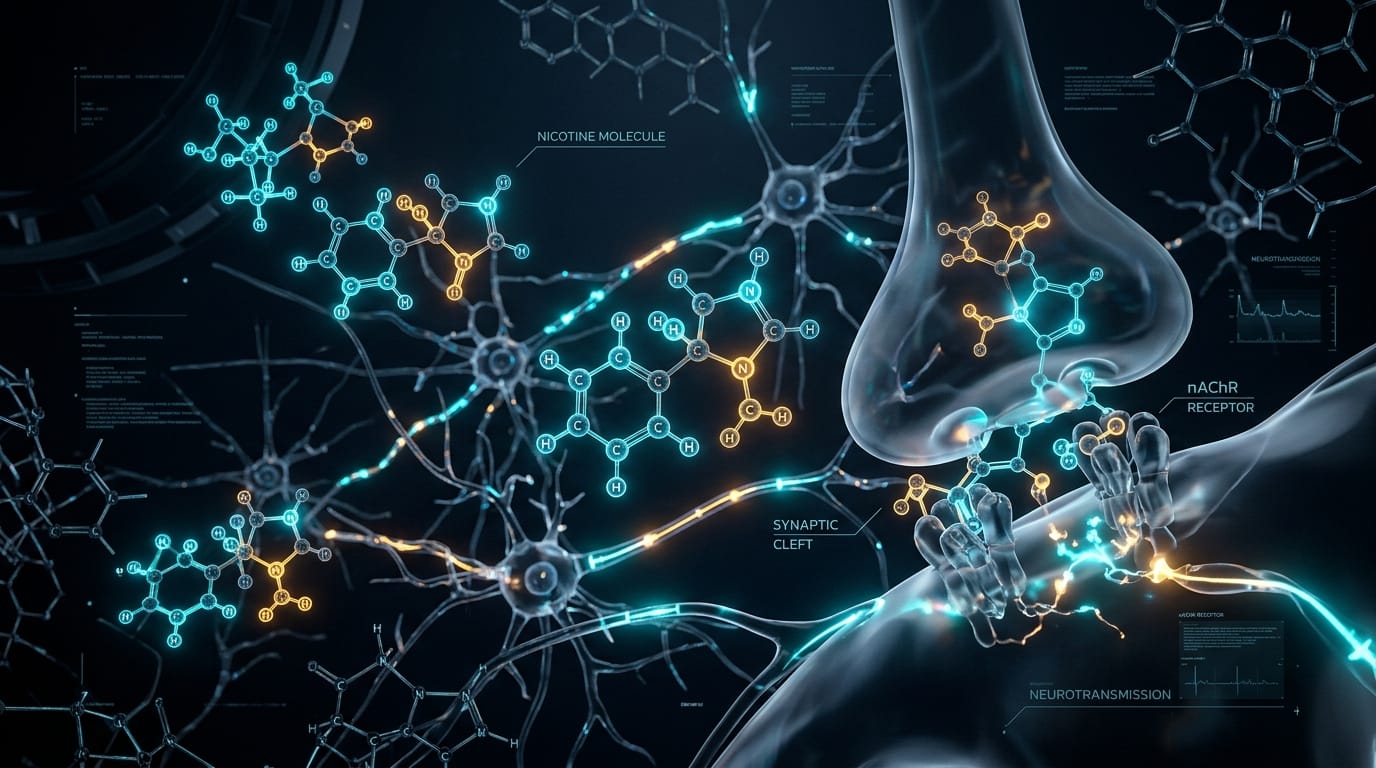
When you light a commercial cigarette, you are not simply inhaling burning tobacco plant leaves. You are interacting with one of the most sophisticated chemical delivery systems ever engineered. Over the past century, tobacco scientists have spent billions of dollars in laboratories modifying the biochemistry of nicotine to maximize its addictive potential and ensure customers remain locked in a perpetual loop of dependency.
1. How Many Chemicals Are in Cigarettes? (Cigarette Ingredients Exposed)
Many smokers believe cigarettes contain just tobacco leaves and paper. In reality, modern cigarette ingredients consist of a complex cocktail of engineered additives. So, how many chemicals in cigarettes are you actually exposed to with every puff?
According to public health agencies and chemical analysis, burning tobacco produces over 7,000 chemicals in cigarettes. At least 250 are known harmful chemicals in cigarettes, and more than 69 directly cause cancer.
Key toxic cigarette ingredients and harmful chemicals include:
- Formaldehyde: Industrial disinfectant and embalming fluid used to preserve organic tissues.
- Benzene: A chemical solvent found in crude oil and gasoline, proven to cause leukemia.
- Polonium-210: A radioactive element that settles in the lung tissue of chronic smokers.
- Arsenic: A deadly poison commonly used in rat poisons and pesticides.
- Hydrogen Cyanide: A lethal gas used in chemical warfare and industrial fumigation.
- Carbon Monoxide: A toxic exhaust gas that binds to hemoglobin, starving your vital organs of oxygen.
2. Why Do They Put Chemicals in Cigarettes?
If these compounds are so toxic, why do they put chemicals in cigarettes in the first place? The short answer is biological optimization and addiction engineering. Raw, unrefined tobacco leaves produce harsh, alkaline smoke that burns the throat and triggers immediate coughing fits. More importantly, natural nicotine in unburned tobacco leaf is absorbed slowly by the blood.
By adding chemical modifiers, manufacturers achieve three strategic goals: easing smoke inhalation, masking natural foul tastes, and accelerating nicotine delivery straight to the brain's reward centers.
3. The Chemistry of Freebasing: Nicotine vs Freebasing Drugs
Naturally occurring nicotine in the tobacco leaf exists primarily in an "acidic" or bound salt state. In this state, it travels slowly through the bloodstream and is absorbed gradually by tissues. To speed up absorption, tobacco manufacturers borrowed a technique from illicit drug chemists: freebasing.
In pharmacology, freebasing drugs involves converting a chemical compound from its salt form into its pure, unprotonated "free base" gas form. By treating tobacco leaves with gaseous ammonia, the pH level of the smoke is artificially raised. This chemical reaction converts acidic nicotine into volatile freebase nicotine gas.
When inhaled, freebase nicotine crosses the blood-brain barrier almost instantaneously, reaching the brain's acetylcholine receptors in just 7 to 10 seconds. This speed of delivery is actually faster than a direct intravenous needle injection, creating a sudden, powerful dopamine spike that cements subconscious addiction before conscious willpower can intervene.
4. Bypassing the Body's Defenses: Bronchodilators & Numbing Agents
The human respiratory system is naturally designed to reject hot, toxic gases. When exposed to 800°C smoke filled with tar and combustion toxins, the throat and lungs reflexively contract and cough to protect themselves. To bypass these defensive mechanisms, tobacco laboratories introduce additives like cocoa, licorice, and menthol:
- Bronchodilators (Cocoa & Licorice): When burned, ingredients like cocoa release chemical compounds (such as theobromine) that dilate (widen) the lungs' bronchial tubes. This artificial widening forces the airways open, allowing the smoker to inhale larger volumes of toxic smoke and absorb deeper, more concentrated doses of freebased nicotine.
- Numbing Agents (Menthol & Sugars): Menthol numbs the nerve endings in the throat, effectively suppressing the natural cough reflex. Sugars mask the bitter, organic taste of raw toxins, making it easier for first-time smokers and teenagers to inhale the smoke without immediate biological rejection.
5. What Chemicals in Cigarettes Cause Cancer?
When examining what chemicals in cigarettes cause cancer, researchers focus on heavy carcinogens like nitrosamines (TSNAs), polycyclic aromatic hydrocarbons (PAHs), and acetaldehyde. When sugar additives burn, they release acetaldehyde, which double-charges dopamine release while simultaneously damaging cell DNA repair mechanisms.
The Sovereign Takeaway
Your physical dependency is not a failure of character or willpower. It is the natural result of your nervous system responding to a product chemically modified to hijack your biology. Once you understand that these chemical triggers are artificially engineered, you can begin to dismantle the illusion of choice and reclaim your native health.